
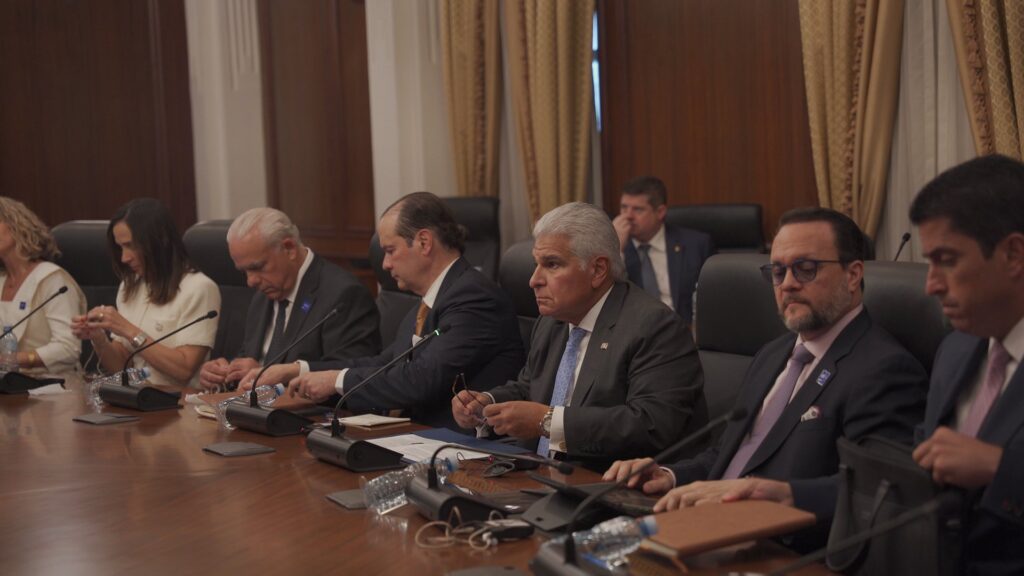
Brazil and Panama signed four new cooperation agreements, including one aiming to facilitate future investments, during Brazilian President Luiz Inácio Lula da Silva’s visit to Panama last week for the Latin America and Caribbean International Economic Forum.
The agreement, signed January 28, follows the Brazilian ACFI model that has been in use for the past decade, which seeks to improve conditions by mitigating investment risks and disputes.
The two countries’ heads of state have already met six times since Panama became a Mercosur Associate State in 2024, reflecting their increasingly close relations.
Panama’s President, José Raúl Mulino, said in a post on X that “we strengthened economic ties as a strategic trading partner, signing an investment facilitation agreement to boost trade flow and advance cooperation in tourism, culture and the port sector, as well as in capital tariff preferences.”
President Lula said in joint statements with his counterpart following the meeting that “The Investment Facilitation Agreement that we signed today will boost the flow of trade and capital between our countries.”
He also emphasized that Panama is Brazil’s main trading partner in Central America and that, whilst bilateral trade between the two countries had grown by 78% in 2025, “we can reach much higher levels; we are willing to import more Panamanian products.”
Brazil’s Minister of Development, Industry, Trade, and Services, Geraldo Ackim, said that “Brazil and Panama are laying the groundwork for a qualitative leap in their economic relationship, with greater security for investment, clear rules, and new opportunities for bilateral trade.”
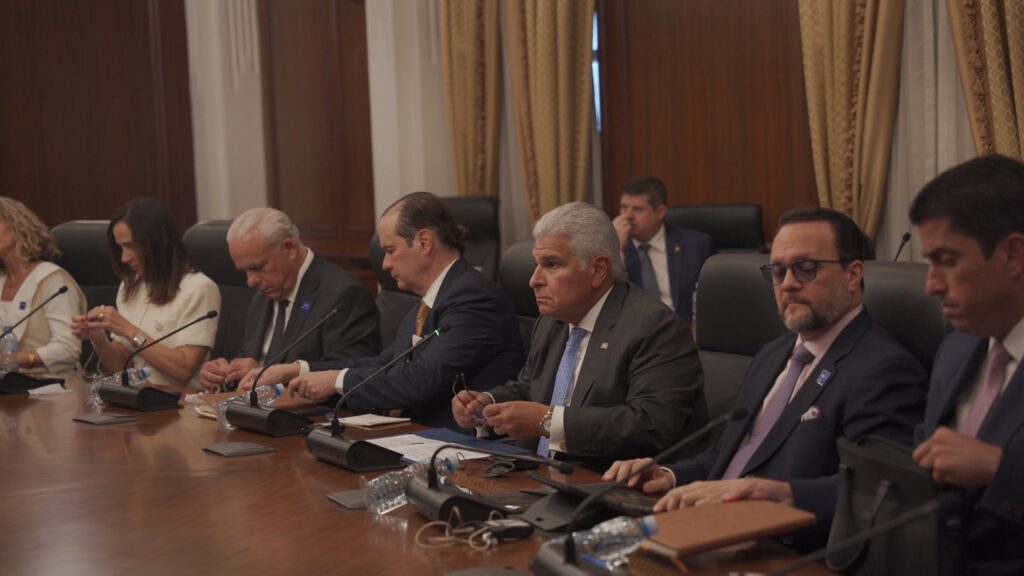
Following the two heads of state’s meeting in Brasilia in August last year, Panama bought four Embraer A-29 Super Tucano military aircraft and Lula declared that “Brazil fully supports Panama’s sovereignty over the canal, achieved after decades of struggle”– in the context of U.S. President Donald Trump’s threats to reclaim the major shipping lane.
President Mulino also visited Brazil last month, where he participated in the Mercosur’s summit and presented the national law that consolidates Panama as an associate state. The Central American country’s status in the bloc gives it preferential access and cooperation opportunities without obliging it to adopt the common external tariff.
The investment facilitation agreement guarantees non-discrimination, transparency provisions, compensation in case of conflict, and the free transfer of funds.
It creates a joint committee composed of government representatives of both countries, which will aim to monitor the implementation of the agreement, and prevent and solve disagreements.
The agreement also establishes ombudsmen in each party that will serve as a communication and support channel between investors and the host country.
In addition to the investment facilitation agreement, they also signed a memorandum of understanding on cooperation in maritime transport, logistics and sustainability between the Ministry of Ports and Airports of Brazil and the Maritime Authority of Panama, the terms of reference for the negotiation of a partial scope trade agreement, and an action plan for the implementation of the tourism cooperation agreement.
Featured image: Brazil’s President Luiz Inácio Lula da Silva attending investment facilitation agreement signing with his Panamanian counterpart, José Raúl Mulino.
Image credit: Luiz Inácio Lula da Silva via X.
The post Brazil, Panama sign new investment facilitation agreement appeared first on Latin America Reports.